
Thermal solutions for construction, repair and comfort on board
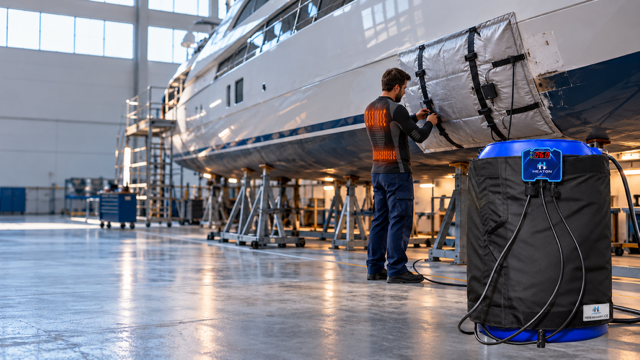
In the nautical industry, temperature control is important both during the processing of materials and in the maintenance of vessels and the comfort of workers on board.
HeatOn designs and manufactures customized heating systems for marine and naval applications: from controlled heating of resins and other materials to the repair of fiberglass and carbon fiber components, to heating solutions integrated into boats and heated clothing for workers.
Our technologies can be adapted to the needs of shipyards, boat manufacturers, manufacturers of wood and composite components, specialized workshops and shipowners.
Each solution is developed based on the material, the geometry of the component, the required temperature, the environmental conditions, and the mode of use.
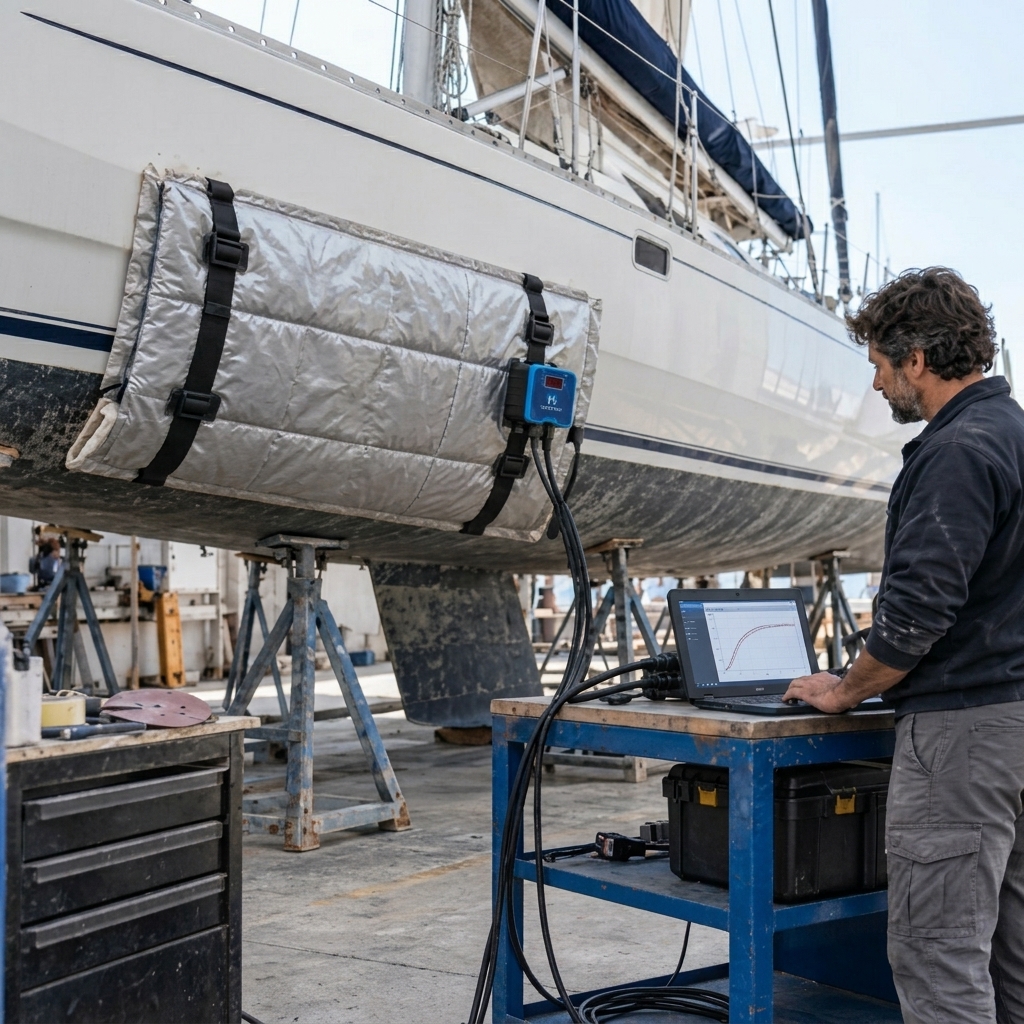
Heating for repair of hulls and composite components
The repair of hulls, covers and components made of fiberglass or carbon fiber requires precise temperature control during the preparation and polymerization of the resins.
HeatOn develops flexible and controlled heating systems that adapt to the geometry of the area to be treated. The solutions can be used in repair and maintenance operations when the process requires reaching and maintaining a specific temperature for a defined period of time.
Whether it’s repairs, maintenance, support for curing processes and polymerization, or simple maintenance interventions directly on site, Heaton has the customized solution.
The system configuration is defined based on the material, the process temperature, the heat distribution, and the operating conditions.
Heating for the production of trees, antennas and nautical components
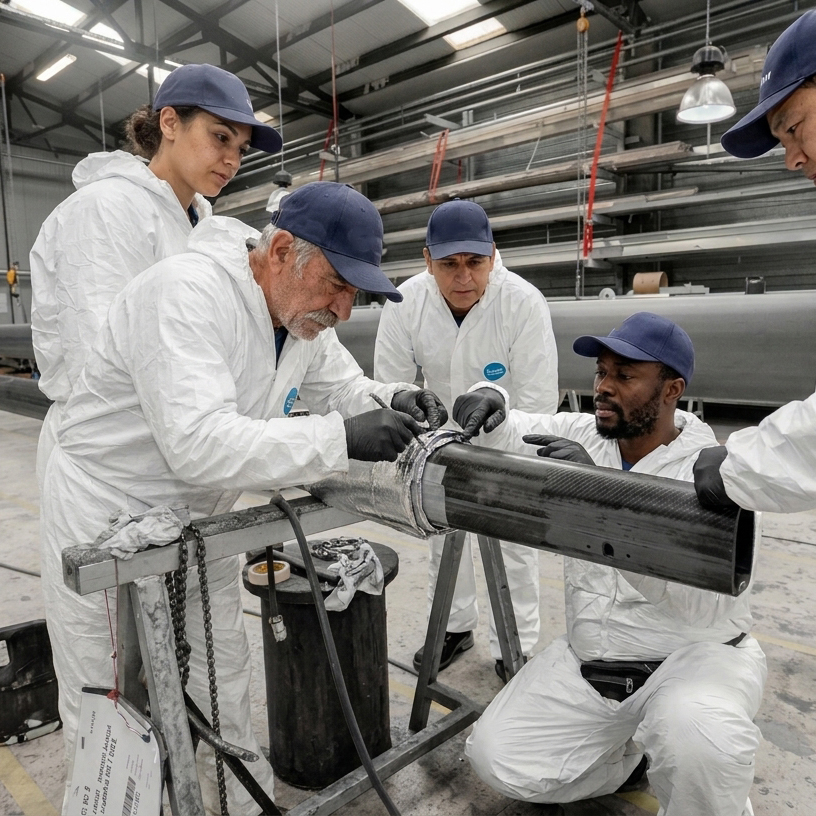
The production and repair of trees, antennas, bows and other nautical components made of composite material may require controlled heating during specific processing stages.
HeatOn can develop flexible and customized thermal systems for applications where heat needs to be distributed over curved surfaces or components with special geometries.
The solution is sized according to the characteristics of the product and the required thermal cycle, with the possibility of integrating sensors and temperature control remotely as well.
All data is stored on servers for proper traceability.
Ovens for polycarbonate and PMMA panels
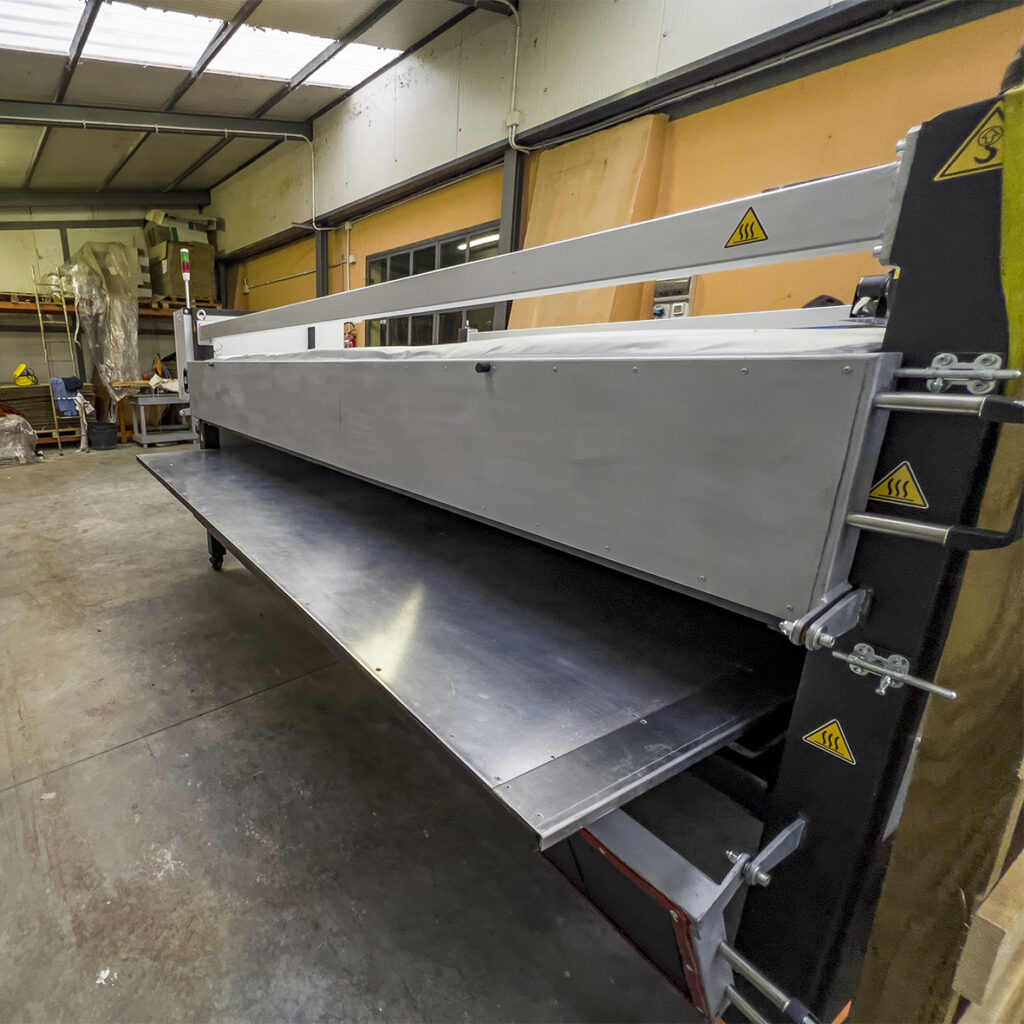
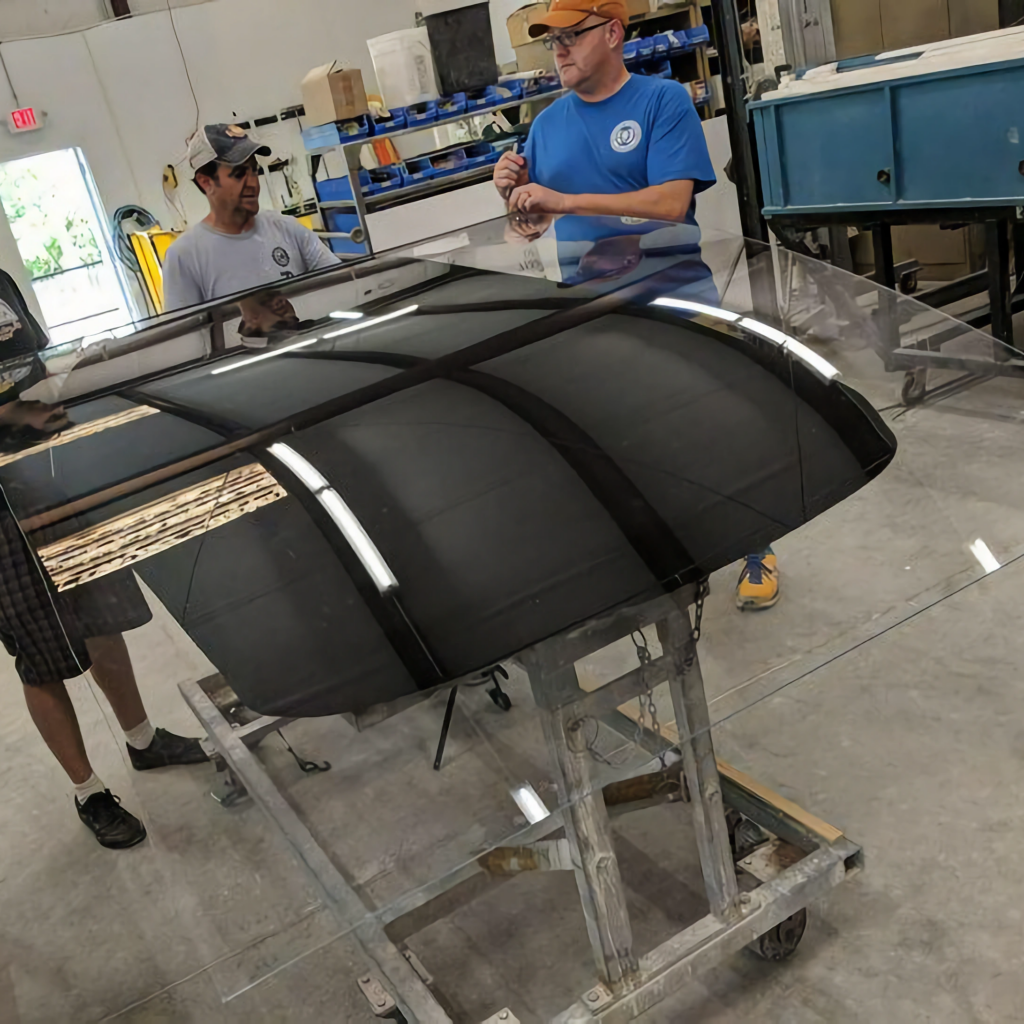
The production of windshields, cupolas, windows, skylights and other transparent components for boats can require the controlled heating of polycarbonate and PMMA sheets before thermoforming. Proper temperature management is essential to achieve uniform deformation and preserve the component’s surface quality.
HeatOn designs and manufactures industrial furnaces for heating thermoplastic sheets, sized according to the material, thickness and dimensions of the sheets, as well as the characteristics of the production process.
The systems can integrate independent heating zones, electronic temperature control, programmable heating profiles and sensors for monitoring thermal parameters. When required, it is also possible to record the data and store the processing cycles.
Each oven is designed taking into account the specific production requirements, with particular attention to the uniformity of heating, the processing times, and the characteristics of the materials, in order to achieve a controlled and repeatable process.
Mould heating for marine thermoforming
Epoxy resins, adhesives, sealants, and other materials used in shipbuilding and marine maintenance can become more viscous and difficult to remove and dose when the temperature is too low.
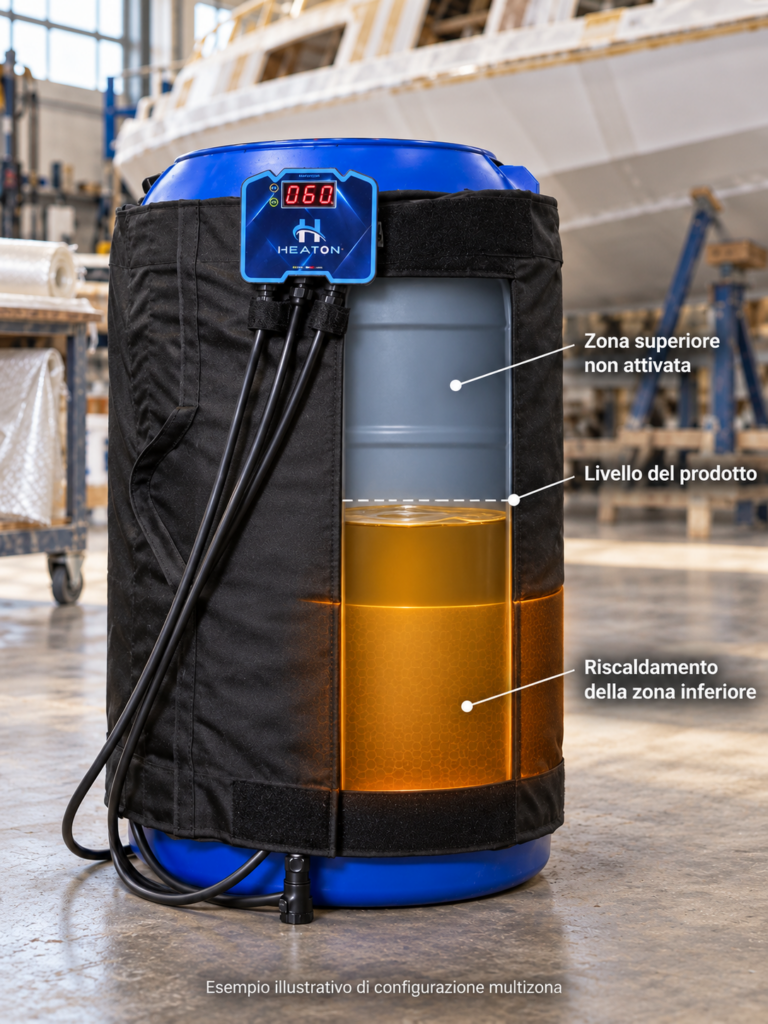
HeatOn develops heating and insulation systems for drums and containers compatible with the chosen solution, designed to bring the material to the required working temperature and maintain it according to the requirements of the application.
Configurations can include independent heating zones, adjustable control, remote preheating and, where necessary, temperature data recording. For partially filled containers, multi-zone solutions can be considered to heat the areas affected by the material present.
Each system is sized according to the product, the quantity contained, the type of container, and the operating conditions. The operating temperature is defined based on the manufacturer's instructions, verifying the compatibility of the system with the material and container.
Scalduffits for resins and materials used on construction sites
Epoxy resins, adhesives, sealants, and other materials used in shipbuilding and marine maintenance can become more viscous and difficult to remove and dose when the temperature is too low.
HeatOn develops heating and insulation systems for drums and containers compatible with the chosen solution, designed to bring the material to the required working temperature and maintain it according to the requirements of the application.
Configurations can include independent heating zones, adjustable control, remote preheating and, where necessary, temperature data recording. For partially filled containers, multi-zone solutions can be considered to heat the areas affected by the material present.
Each system is sized according to the product, the quantity contained, the type of container, and the operating conditions. The operating temperature is defined based on the manufacturer's instructions, verifying the compatibility of the system with the material and container.
Heating for onboard comfort
HeatOn also develops integrated heating solutions to improve comfort on board yachts and boats.
The system can be designed for seats, backs and dedicated surfaces, with attention paid to space requirements, consumption and the typical conditions of the nautical environment, such as humidity, vibrations and the presence of salt.
The characteristics of the solution are determined based on the available space, the electrical power supply, the surface to be heated and the requirements for integration on board.
Originally developed for premium comfort in stadiums and museums, now re-imagined for life on board.
- Heated stern seats and panels, with touch control
- Resistance to moisture, salt, vibrations
- Minimum consumption - ideal for on-board batteries
- Ultra-compact design, can be integrated into any layout

Heated jerseys
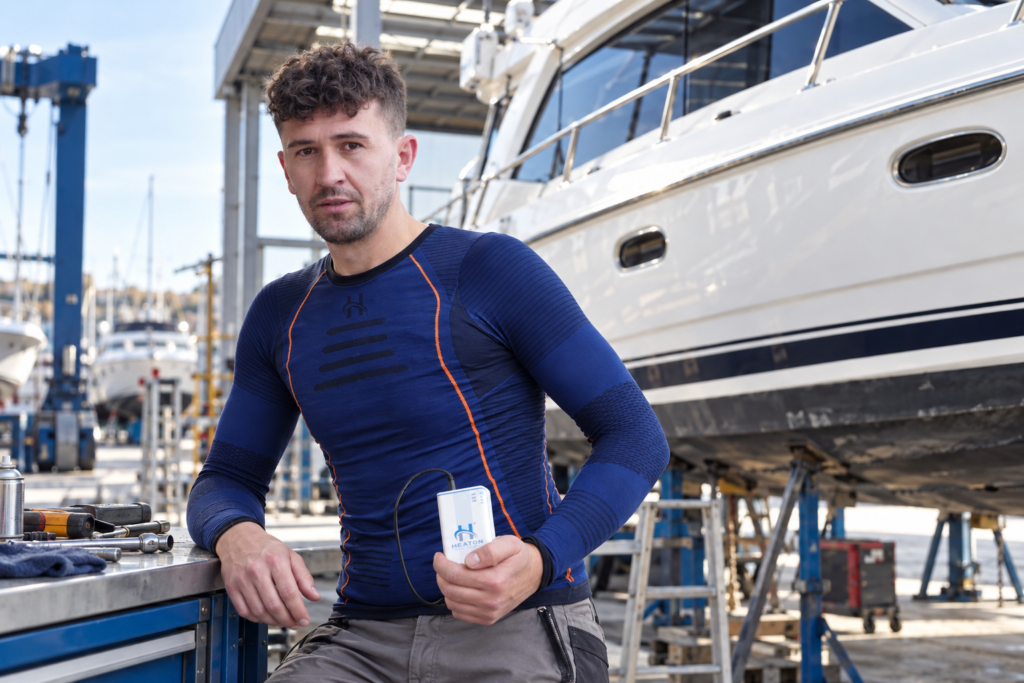
HeatOn also develops technical heating clothing solutions for the nautical industry, designed to offer thermal comfort in difficult environmental conditions and during professional or outdoor activities., by heating directly the body and not the clothes. Discover the line Heatonwear.
💬 Do you have a project or a need in the nautical sector?
Tell us about your application. We will evaluate together the solution that best suits your needs.
QUESTIONS AND ANSWERS FAQ
A: The heating elements can be configured to heat resins and other materials used on the construction site. The temperature must be chosen based on the characteristics of the product and the instructions provided by the manufacturer, also verifying the compatibility of the system with the container.
A: During certain repairs, it is necessary to reach and maintain a defined temperature to favor the curing process of the resin. Flexible heating systems, combined with sensors and control, can be adapted to the geometry of the area to be repaired and to the required thermal cycle.
A: Yes, it is possible to design heating systems for carbon fiber components, provided that the temperature, heat distribution, and cycle duration are compatible with the material and the resin system used.
A: HeatOn can develop customized thermal solutions for specific phases of production and maintenance of marine components. The system is sized based on the geometry of the component, the materials, and the temperatures required by the process.
A: They can be evaluated for these materials, after verifying the recommended operating temperature, compatibility with the container, and the product characteristics. Heating should avoid temperatures that could alter the properties of the adhesive or sealant.
A: Yes, HeatOn develops heating solutions that can be integrated into seats and dedicated surfaces. The project considers dimensions, available power supply, power, temperature control and environmental conditions typical of nautical use.
A: Yes. HeatOn designs thermal systems based on the application, the material to be heated, the required temperature, and the operating conditions. The solution can include heating elements, sensors, and control and monitoring systems.
A: Yes. The HeatOn Wear heating vests directly warm the operator’s body, helping them work in more comfortable thermal conditions even in cold environments, such as shipyard yards and industrial warehouses. By warming people rather than the entire environment, they can help reduce the need to heat working spaces and therefore energy consumption, depending on the activity being carried out and the conditions of the environment. Discover the solutions heatonwear.com.