Ovens for the thermoforming of nautical components
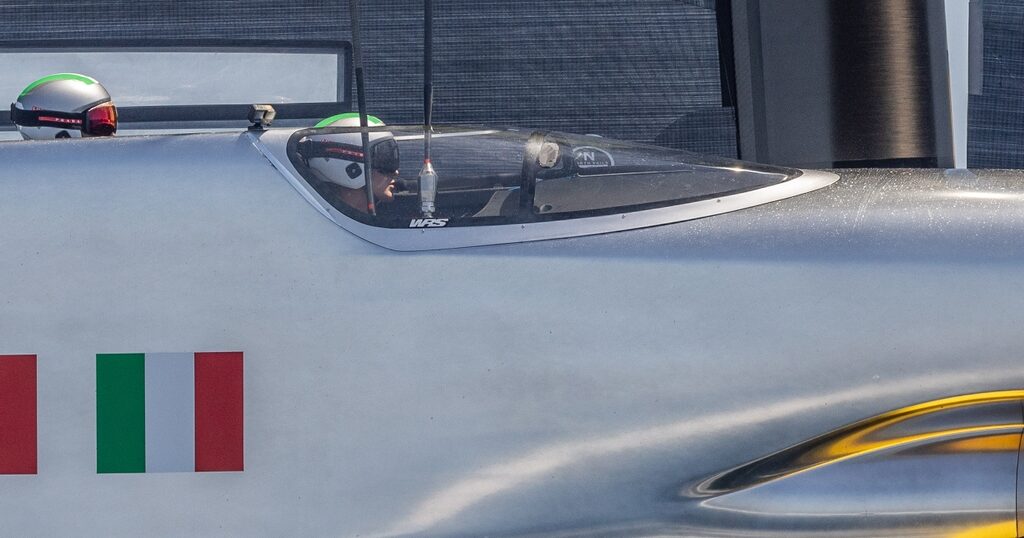
The production of windshields, dome panels, windows, and other transparent components for boats may require the controlled heating of sheets made of thermoplastic material, such as polycarbonate and PMMA (plexiglass), before they are formed.
The quality of the final component also depends on how this phase is managed: the material must reach a temperature suitable for processing, avoiding excessive thermal differences that could compromise the deformation and appearance of the surface.
HeatOn designs and manufactures industrial furnaces for the heating of thermoplastic sheets, sized according to the material, thickness, dimensions and characteristics of the production process.
Areas of application
Systems can be developed for the heating of slabs intended for the production of:
- Windshield and nautical windows: transparent components for pleasure boats, yachts and professional units.
- Cups and covers: shaped elements for consoles, cabins and command stations.
- Special frames and windows: components that are flat or curved and are produced through thermoforming processes.
- Transparent technical components: protections, screens and other elements made of thermoplastic material intended for marine use.
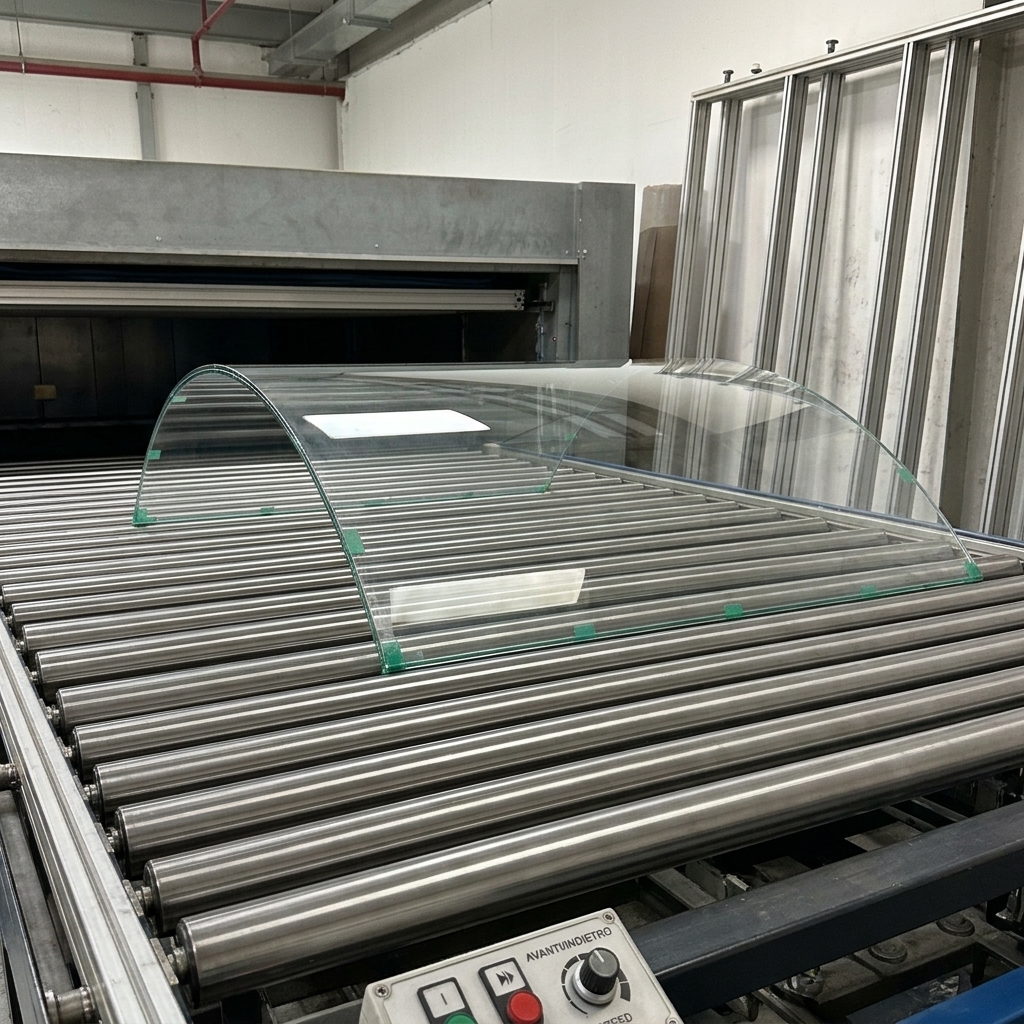
Uniform heating of the slab
During thermoforming, the sheet must reach thermal conditions compatible with the intended deformation process.
An uneven distribution of temperature can generate differences in behavior during forming, with possible repercussions on the final geometry, thickness, and surface quality of the component.
HeatOn furnaces can be designed with heating zones configured according to the size of the slab and the characteristics of the material. The power distribution, the positioning of the sensors, and the temperature control are defined taking into account the production process and the required result.
The goal is to achieve controlled and repeatable heating, reducing thermal differences and making the forming phase more predictable.
Management based on material
Polycarbonate and PMMA have different thermal characteristics and behaviors. The thickness of the sheet, its size, and the geometry of the component to be manufactured also influence the processing parameters.
For this reason, there is no single heating cycle that is valid for all materials and all applications.
The systems can be configured to manage different temperature profiles and times, adapting the heating to the specific characteristics of the material and the instructions of the manufacturer.
For polycarbonate, when specified in the material specifications, a preliminary dewatering treatment may be necessary. The absorbed moisture can indeed cause bubbles, striations, and defects during subsequent heating and thermoforming.

Control and programming of thermal cycles
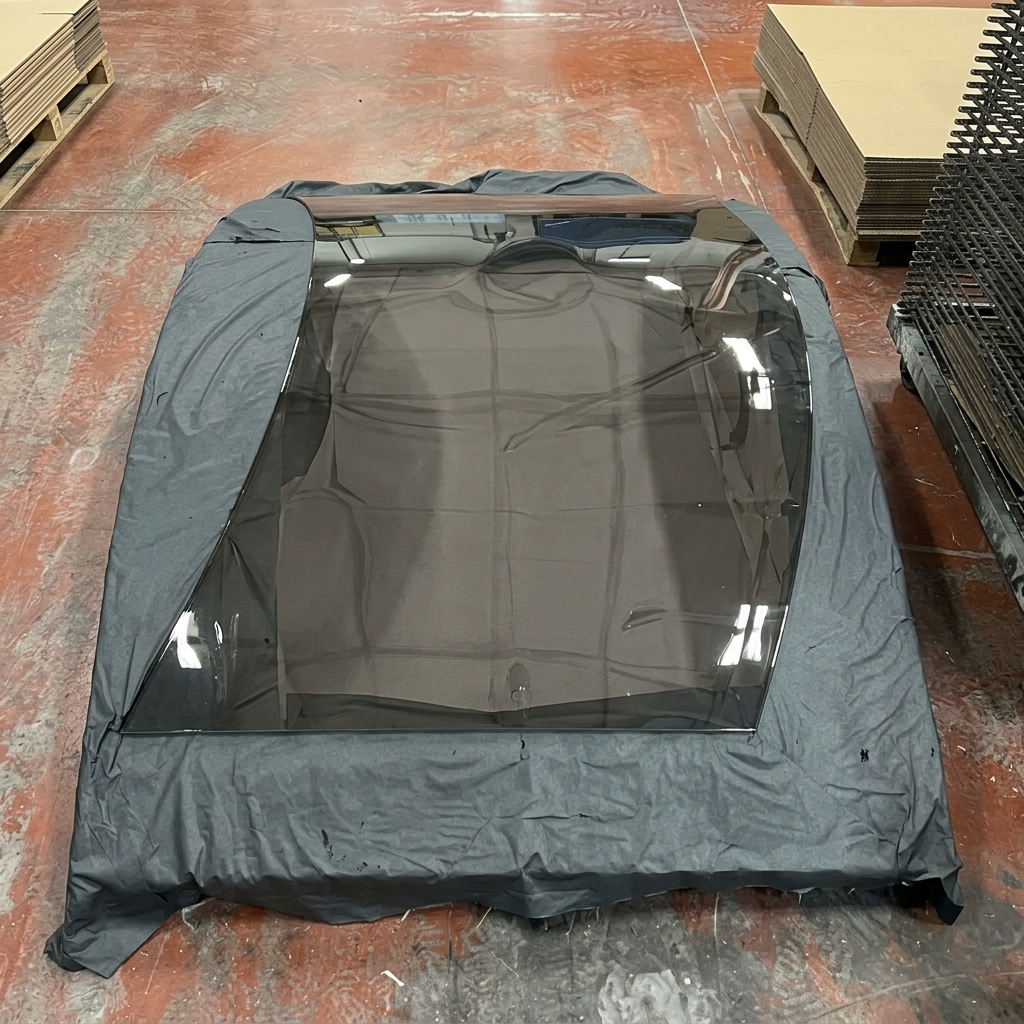
Heating management is a fundamental part of the production process. HeatOn controllers can be configured to control heating zones, schedule work cycles, and monitor operating parameters.
Depending on the configuration required, the system can include:
- Electronic temperature control.
- Independent management of multiple heating zones.
- Programmable and memorizable heating profiles.
- Temperature sensors located at the control points.
- Monitoring of operating parameters.
- Data recording and archiving of thermal cycles.
- Functions of remote monitoring and alarm management.
The available functionalities are defined based on the needs of the plant and the level of control required by the process. The point where the vat is located does not necessarily coincide with that of the entire surface or that of the thermoformed material.
A oven designed according to production requirements
The dimensions of the plates, the thicknesses used, the frequency of the cycles and the characteristics of the components to be manufactured may require different solutions.
HeatOn develops industrial ovens configured to the specific needs of the customer, evaluating:
- Dimensions and characteristics of the plates to be heated.
- Materials used, such as polycarbonate and PMMA.
- Temperature and time required by the process.
- Necessary thermal uniformity.
- Number and arrangement of the heating zones.
- Loading and management mode for the plates.
- Programming, monitoring and data recording requirements.
The solution is defined considering the entire production process, not just the power required to heat the material..

💬 Tell us what you need to produce
Do you need to manufacture windshields, cupolas, skylights or transparent components for the nautical industry? HeatOn can evaluate the heating system that best suits the size of the slabs, the materials used, and the characteristics of your processing.
QUESTIONS AND ANSWERS FAQ
A: The oven allows to heat a sheet of polycarbonate before thermoforming, bringing it to the thermal conditions necessary to be deformed on the mold. Controlling the temperature is important to obtain a uniform shaping and to limit superficial defects or differences in the material behavior.
A: It is possible to design a system designed to work with both materials, provided that the oven and its parameters are adapted to the characteristics of each. Policarbonate and PMMA have different temperatures and processing characteristics: therefore, specific cycles must be planned in accordance with the instructions provided by the manufacturers.
A: Polycarbonate can absorb moisture from the environment. During subsequent heating, the moisture present in the material can generate bubbles, striations, and other defects. When required by the manufacturer’s specifications, it is therefore necessary to carry out a preliminary drying treatment with controlled temperature and duration.
A: Uniformity depends on the geometry of the oven, the arrangement of the heating elements, the air circulation, the distance from the surfaces, and the temperature management. The system must be designed taking into account the dimensions and thickness of the slab, as well as the characteristics of the material.
A: Yes. The dimensions of the heating chamber and the distribution of the thermal zones can be defined depending on the slabs used and the components to be produced. The design must also take into account the methods of handling and loading the material.
A: The time depends on the material, thickness, size of the slab, initial temperature and the characteristics of the oven. To define an appropriate cycle, it is also necessary to consider the distribution of temperature in the material, not only the achievement of the set temperature.
A: There is no universal value. The temperature depends on the type of material, the formulation and thickness of the slab, as well as the forming process. It is necessary to refer to the manufacturer's instructions and verify the parameters under the actual conditions of processing.
A: Yes. The HeatOn controllers can be configured to store and recall different heating profiles. This allows the working parameters to be adapted to different types of material and the thicknesses used.
A: Yes, in the configured configurations. The control systems can integrate monitoring and recording functions of thermal parameters, with the possibility of storing the data on corporate computer systems. The recording modes depend on the chosen electronic configuration and the positioning of the sensors.
A: Yes. HeatOn develops customized industrial heating systems, considering the dimensions of the plates, the materials used, the required temperatures, and the characteristics of the production process. Each configuration is defined based on the specific application.