Mould heating for nautical thermoforming
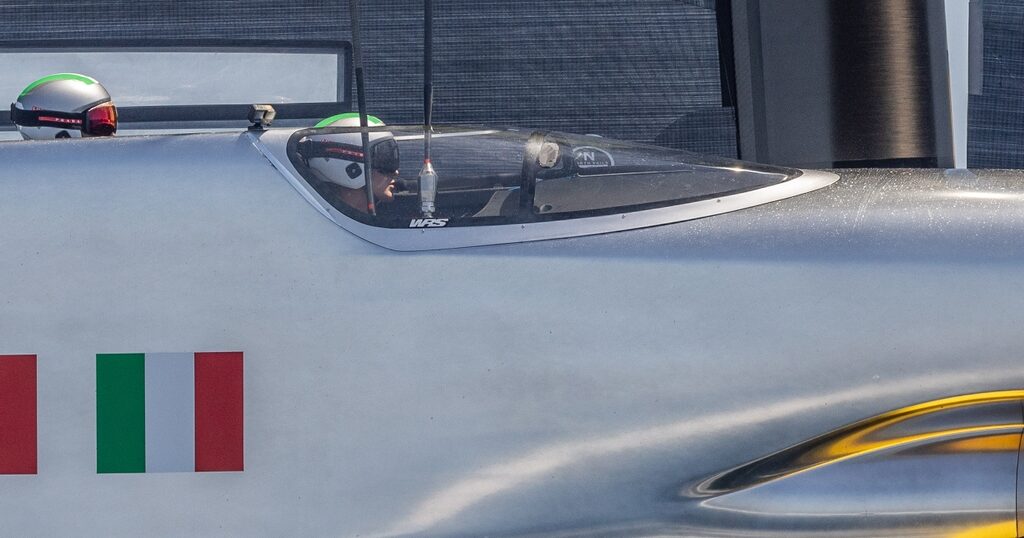
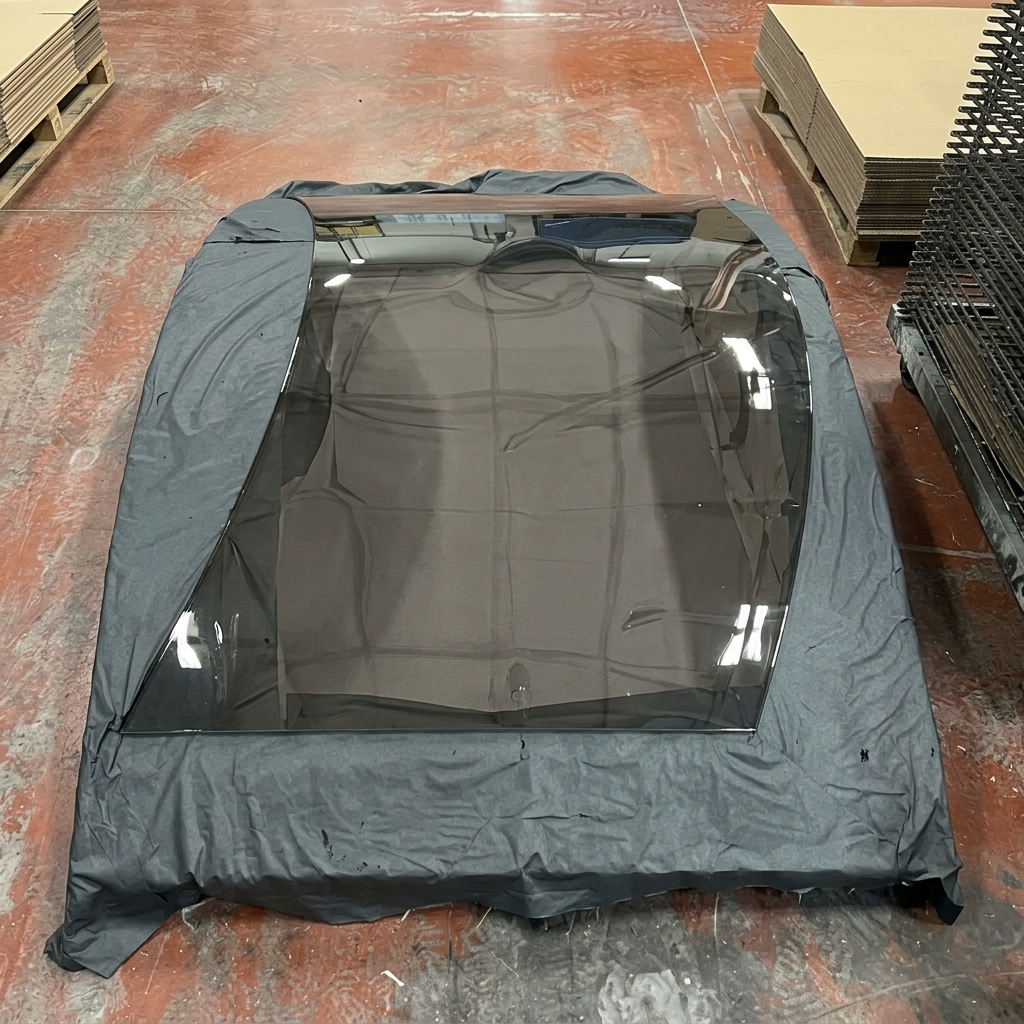
In the production of windshields, hoods, and windows for boats, the mold is a fundamental element for defining the geometry and quality of the thermoformed component.
Depending on the material and the production process, it may be necessary to preheat the mold or maintain it at a controlled temperature during specific stages of the processing.
The mold temperature influences the behavior of the material during forming and the way the component deforms and adapts to the required geometry.
HeatOn designs heating systems for molds, configured according to the geometry, dimensions, materials, and temperatures required by the process.
Areas of application
The systems can be developed for the heating of the molds used in the production of:
- Special components: equipment for the production of transparent elements with special geometries and dimensions.
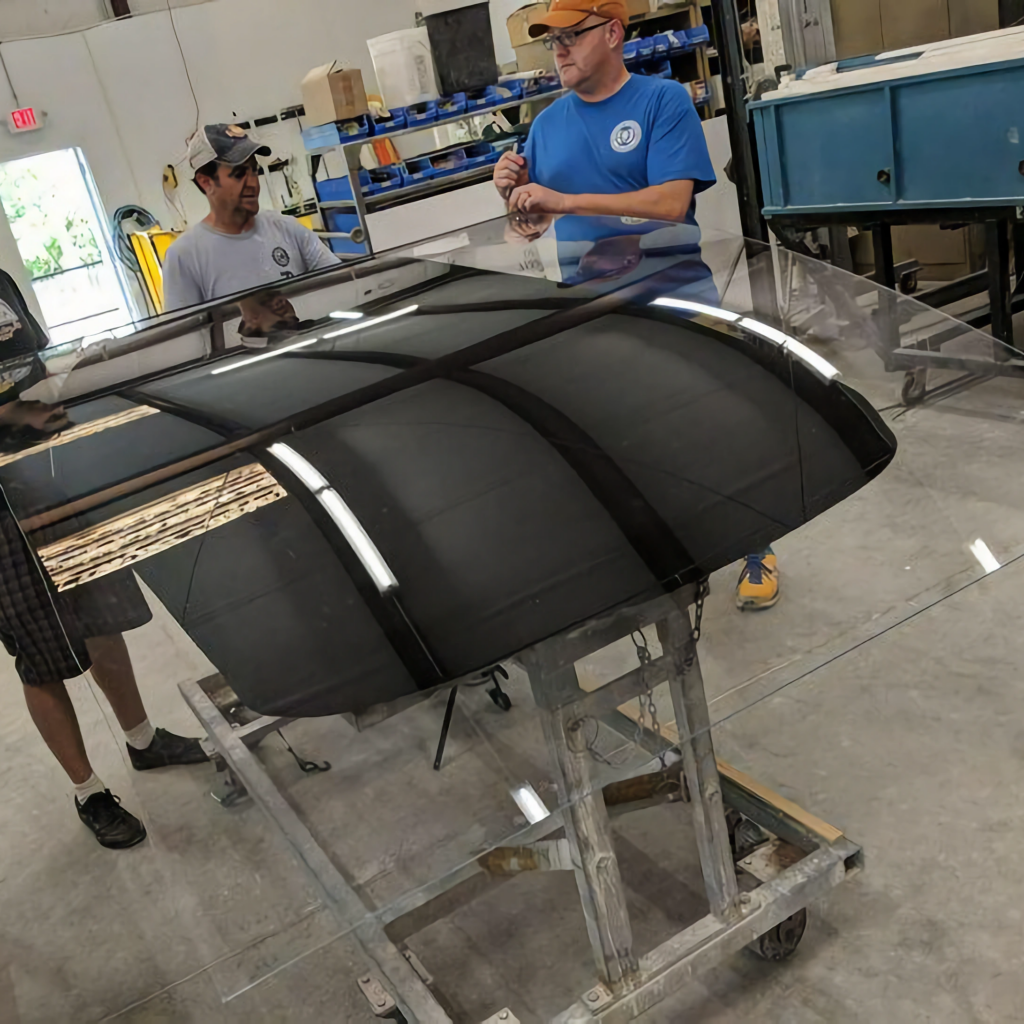
- Marine windshields: Molds for the forming of curved transparent surfaces.
- Cups and covers: equipment for the manufacture of shaped components intended for consoles and cabins.
- Sills and windows: Molds for flat or curved components made of thermoplastic material.
Controlled preheating of the mold
The mold temperature can be an important parameter in the management of the thermoforming process.
Equipment that is too cold or characterized by significant thermal differences between different zones can affect the behavior of the slab during forming. Depending on the process, it may therefore be necessary to bring the mold to a defined temperature before the start of the machining and maintain it during the specified time.
HEATON develops systems that allow the mold to be heated according to defined parameters, taking into account its mass, geometry, construction materials, and operating conditions.
The distribution of the heating elements and sensors is evaluated to achieve thermal management that is consistent with the requirements of the application.
Heating of molds with complex geometries
The molds used for windshields, hoods and windows may have curved surfaces, large dimensions and uneven thicknesses.
In these conditions, the design of the heating system requires particular attention to the distribution of power and the location of the control points.
HeatOn solutions can be developed with independent heating zones, so that different areas of the mold can be managed separately when the process characteristics require it.
The configuration is defined taking into account the geometry of the equipment and the thermal behavior of the materials that make it up.

Temperature control and cycle management
The heating of the mold should not be considered only as a preheating phase. In many applications it is important to be able to control and manage the temperature throughout the entire production cycle.
HEATON controllers can be configured to manage heating, control multiple zones, and program temperature and time profiles.
Depending on the needs of the application, the system can include:
- Electronic temperature control.
- Independent control of multiple heating zones.
- Sensors distributed in the mold control points.
- Programmable and memorizable heating profiles.
- Management of the heating and maintenance phases.
- Monitoring of operating parameters.
- Data recording and archiving of thermal cycles.
- Functions of remote monitoring and alarm management.
The choice of sensors and their positioning are particularly important: the temperature measured at one point of the mold does not necessarily coincide with that of the entire surface or that of the thermoformed material.
Systems designed according to the mold
Each mold has different characteristics. Dimensions, shape, construction material, thermal mass and method of use determine the requirements of the heating system.
For this reason, HeatOn develops customized solutions, evaluating:
- Geometry and dimensions of the mold.
- Construction material and thermal characteristics.
- Required temperature and necessary uniformity.
- Preheating and maintenance times.
- Number and arrangement of the heating zones.
- Positioning of the sensors.
- Control and management mode of the cycle.
- Any requirements for recording and traceability of data.
The system can be designed as an integral part of the equipment or as an independent solution, depending on the characteristics of the mold and the production organization.
💬 Tell us which mold you need to heat up
Do you need to manufacture windshields, domes or windows for the nautical industry and do you need to control the temperature of the mold during the machining process? HeatOn can evaluate a heating solution based on the geometry of the equipment, the materials used, and the operating conditions of the process.
QUESTIONS AND ANSWERS FAQ
A: In some processes, preheating allows the mold to be brought to a defined temperature before forming. This can help control the thermal behavior of the material during contact with the equipment and make the processing conditions more repeatable. The need and temperature depend on the material and the process used.
A: It is possible to evaluate systems for molds used in the production of windshields, domes, skylights, and marine windows made of polycarbonate and PMMA. Feasibility depends on the mold construction material, dimensions, geometry, and required temperature.
A: Yes. The system can be sized according to the size and mass of the mold. The design must take into account the distribution of the heating elements, thermal dissipation, and the time required to reach the required temperature.
A: The arrangement of the heating elements and sensors must be designed according to the geometry of the equipment. Depending on the application, independent heating zones can be considered to manage the different areas of the mold in a differentiated way.
A: Yes. Multizone configurations allow for the independent management of different heating zones. This capability is useful when the geometry, mass, or process requirements require different temperatures or heating times.
A: Through sensors positioned at the control points defined during design. The number and position of the sensors depend on the geometry and thermal characteristics of the mold. It is important to distinguish the temperature detected by the sensor from the actual temperature of the other areas of the equipment.
A: The time depends on the mass and material of the mold, the initial temperature, the installed power, the insulation, and the dissipation to the environment. To estimate the heating time, it is necessary to evaluate the actual characteristics of the equipment.
A: Yes. The system can be configured to adjust the power and maintain the set temperature during the time specified by the process. The result depends on the system’s design, the distribution of sensors, and the operating conditions.
A: Yes, in the configured configurations. The HeatOn controllers can allow the programming of temperature and time profiles, the monitoring of parameters, and the recording of thermal cycle data. The available features depend on the chosen electronic configuration.
A: Yes. HeatOn develops customized heating systems based on the geometry, dimensions, materials, and temperatures required. To evaluate a solution, it is useful to have a design of the mold, information about the construction materials, and process parameters.